
Throughout history, humanity has gazed skyward, seeking meaning in the stars and patterns in celestial movements. This ancient connection between earthly existence and cosmic phenomena continues to influence our understanding of balance, rhythm, and social harmony in the modern world.

The quest to align human civilization with universal principles represents more than mystical thinking—it embodies a practical framework for sustainable living. As we face unprecedented environmental challenges and social fragmentation, rediscovering the cosmic order that governs natural cycles may hold the key to restoring equilibrium in our communities and ecosystems.
🌌 The Ancient Wisdom of Cosmic Alignment
Our ancestors possessed an intimate understanding of celestial rhythms that modern society has largely forgotten. Ancient civilizations from the Mayans to the Egyptians constructed their entire social structures around astronomical observations. They recognized that human wellbeing depended on synchronizing activities with natural cycles governed by planetary movements, solar patterns, and lunar phases.
These societies didn’t view the cosmos as separate from daily life. Agricultural practices, religious ceremonies, governmental decisions, and even personal relationships were timed according to celestial events. This wasn’t superstition but rather sophisticated ecological knowledge that acknowledged humanity’s place within a larger cosmic ecosystem.
The concept of “as above, so below” reflected a profound understanding that patterns repeating across different scales of existence—from atomic structures to galactic formations—also manifest in human social organization. By observing and respecting these patterns, ancient cultures maintained sustainable practices for centuries.
Reconnecting with Natural Cycles
Modern disconnection from natural rhythms has contributed to widespread stress, sleep disorders, and seasonal affective conditions. Our 24/7 lifestyle ignores circadian biology, while artificial lighting disrupts melatonin production and our bodies’ innate timekeeping mechanisms.
Research in chronobiology confirms what ancient wisdom traditions always knew: human physiology operates on cyclical patterns synchronized with environmental cues. When we honor these rhythms—sleeping with darkness, eating with daylight, resting with seasons—our physical and mental health improves dramatically.
Restoring cosmic harmony begins with simple practices: observing sunrise and sunset, noting moon phases, acknowledging seasonal transitions, and adjusting activities accordingly. These small adjustments create profound ripple effects throughout our physiological systems and social interactions.
⚖️ Cosmic Order as Foundation for Social Balance
The universe operates through principles of balance, reciprocity, and dynamic equilibrium. Galaxies maintain structure through gravitational balance, ecosystems thrive through predator-prey relationships, and planets orbit in mathematical precision. These cosmic principles offer templates for organizing human societies.
When social structures mirror natural order, they demonstrate remarkable resilience and sustainability. Indigenous governance systems worldwide have traditionally incorporated cosmic principles—emphasizing circular rather than hierarchical organization, prioritizing long-term thinking measured in generations, and maintaining reciprocal relationships with natural systems.
Contemporary society’s linear, extractive economic model contradicts universal principles of cyclical renewal and energetic exchange. The resulting imbalance manifests as environmental degradation, wealth concentration, and social fragmentation. Realigning with cosmic order requires transitioning from exploitation to reciprocity, from endless growth to regenerative cycles.
The Mathematics of Harmony
Sacred geometry and mathematical ratios found throughout nature—the golden ratio, Fibonacci sequences, fractal patterns—reveal underlying organizational principles. These same patterns appear in crystal formations, plant growth, animal bodies, and galactic spirals, suggesting universal templates for harmonious structure.
Applying these principles to urban planning, architectural design, and social organization creates environments that feel instinctively comfortable. Buildings designed with proportions found in nature reduce stress; cities planned around organic patterns rather than rigid grids facilitate better flow and community connection.
Music theory provides another example of cosmic mathematics manifesting in human culture. Harmonic intervals that sound pleasing correspond to simple mathematical ratios, while dissonance arises from complex fractions. This suggests that harmony—whether acoustic, visual, or social—follows discoverable universal principles.
🌍 Planetary Rhythms and Human Health
The most obvious cosmic influence on Earth is the sun’s daily and annual cycles. Circadian rhythms evolved over millions of years to synchronize internal processes with predictable environmental changes. Disrupting these rhythms through irregular schedules or excessive artificial light exposure creates physiological stress with cascading health consequences.
Seasonal affective disorder demonstrates how reduced sunlight exposure during winter months impacts mood and energy through altered neurotransmitter production. Understanding this connection allows proactive interventions: light therapy, vitamin D supplementation, and activity adjustments that work with rather than against seasonal influences.
Lunar cycles also exert measurable influences, though mechanisms remain incompletely understood. Studies document correlations between moon phases and human sleep quality, reproductive cycles, and even hospital admission rates. While skeptics dismiss lunar effects, indigenous cultures worldwide have successfully used moon-phase awareness for millennia.
Geomagnetic Fields and Consciousness
Earth’s magnetic field—generated by planetary core dynamics and influenced by solar activity—affects human physiology in surprising ways. Research shows that geomagnetic disturbances correlate with increased cardiovascular events, psychiatric emergencies, and traffic accidents. The pineal gland, responsible for melatonin production and circadian regulation, contains magnetite crystals sensitive to magnetic fields.
Solar storms that disrupt Earth’s magnetosphere don’t just affect satellites and power grids—they influence human nervous systems. Understanding these connections allows individuals and institutions to anticipate periods of heightened sensitivity and adjust expectations accordingly.
Some researchers propose that collective human consciousness itself interacts with planetary electromagnetic fields, suggesting a mechanism for the social coherence that ancient traditions attributed to cosmic alignment. While controversial, these hypotheses merit serious investigation as we seek to understand consciousness and collective behavior.
🔄 Creating Social Rhythms That Reflect Cosmic Patterns
Just as individual health depends on honoring biological rhythms, social wellbeing requires establishing collective rhythms that reflect natural cycles. Traditional cultures maintained this through seasonal festivals, weekly sabbaths, daily prayer times, and other ritualized pauses that synchronized community activity.
Modern society has largely abandoned collective rhythms in favor of constant productivity. The result is social fragmentation, as individuals operate on disconnected schedules with minimal shared temporal reference points. Rebuilding community requires reestablishing common rhythms that bring people together regularly.
This doesn’t mean rejecting technology or modern life, but rather consciously designing temporal structures that honor human needs for both activity and rest, engagement and withdrawal, individual autonomy and collective participation.
Weekly and Monthly Cycles
The seven-day week, found across diverse cultures, may reflect quarter-moon cycles or simply represent an optimal rhythm between work and rest. Sabbath traditions—regardless of religious context—acknowledge the human need for regular complete rest and spiritual renewal.
Monthly gatherings synchronized with lunar phases create predictable opportunities for community connection. Full moon ceremonies, new moon intention-setting, and quarter-moon check-ins provide temporal anchors that give structure and meaning to the passage of time.
Many indigenous societies organized activities around monthly cycles: certain weeks for hunting, others for gathering, times for ceremony, and periods for rest. This prevented resource depletion while maintaining social cohesion through shared temporal frameworks.
Seasonal Celebrations and Transitions
Solstices and equinoxes mark significant solar transitions that have been celebrated across cultures for millennia. These natural turning points provide ideal occasions for community gathering, reflection, and intention-setting. Acknowledging seasonal shifts helps people accept and flow with natural energy variations rather than fighting against them.
Winter solstice celebrations honor darkness and dormancy, encouraging rest and inner reflection. Spring equinox marks renewal and outward expansion. Summer solstice celebrates abundance and peak activity. Autumn equinox brings harvest and preparation for quieter months. Each season offers distinct energetic qualities that support different activities when respected.
Modern calendar systems divorced from astronomical realities disconnect us from these natural transitions. Reintroducing seasonal awareness—through festivals, dietary adjustments, activity modifications—realigns human life with planetary rhythms.
🌟 Practical Applications for Modern Life
Integrating cosmic consciousness into contemporary existence doesn’t require abandoning modern conveniences or embracing impractical mysticism. Instead, it involves thoughtful adjustments that honor natural rhythms while maintaining the benefits of technological progress.
Begin by establishing regular sleep-wake times synchronized with natural light cycles. Use sunrise simulation alarms and reduce blue light exposure in evenings. These simple changes support circadian health, improving sleep quality, mood, and cognitive function.
Organize work schedules around natural energy patterns: intensive focus work during peak circadian alertness (typically mid-morning), collaborative activities during social peak times (early afternoon), and creative work during transitional periods (dusk). This approach maximizes productivity while reducing stress.
Workplace and Educational Reform
Schools starting before 8:30 AM contradict adolescent circadian biology, which shifts toward later sleep-wake times during puberty. Districts that implemented later start times documented improved academic performance, reduced depression rates, and fewer traffic accidents involving teen drivers.
Workplaces can honor cosmic rhythms through flexible scheduling, adequate natural light exposure, and respecting employees’ needs for uninterrupted focus time and collaborative periods. Companies implementing these principles report higher satisfaction, reduced burnout, and improved retention.
Annual leave policies should encourage seasonal breaks, allowing employees extended rest during winter months and adventure during summer. This pattern reflects natural energy variations and prevents the burnout caused by attempting constant productivity regardless of season.
Urban Design and Architecture
Cities designed around cosmic principles prioritize solar orientation, seasonal light penetration, and connection to natural cycles. Buildings with southern exposure in northern hemispheres maximize passive solar heating; strategic window placement ensures adequate natural light without excessive heat gain.
Public spaces designed for seasonal use—heated gathering areas for winter, shaded parks for summer—encourage year-round outdoor activity. Urban gardens and green spaces reconnect city dwellers with growing cycles and seasonal change.
Lighting design that dims as evening progresses supports circadian health. Some forward-thinking cities now adjust street lighting color temperature and intensity throughout the night, reducing light pollution while maintaining safety.
🧘 Personal Practices for Cosmic Attunement
Individual practices that cultivate awareness of cosmic rhythms create foundation for broader social transformation. Begin with simple daily observations: watching sunrise or sunset, noting moon phases, observing weather patterns and seasonal changes.
Meditation and contemplative practices naturally attune consciousness to subtle rhythms often drowned out by modern life’s noise and speed. Regular practice enhances sensitivity to internal cycles—energy fluctuations, emotional patterns, creative peaks and valleys.
Spending time in nature without technological mediation allows direct experience of cosmic rhythms. Notice how different times of day feel distinct, how seasons create different moods, how weather affects your energy and emotions. This experiential knowledge gradually rebuilds intuitive connection to natural cycles.
Tracking Personal Cycles
Maintaining awareness journals that track energy levels, mood, creativity, and physical sensations alongside moon phases, weather, and seasonal transitions reveals personal patterns. Many people discover their individual rhythms correlate with cosmic cycles in surprising ways.
Women often notice menstrual cycle synchronization with lunar phases. Creative individuals may recognize inspiration peaks during particular moon phases or seasons. Understanding these patterns allows working with rather than against natural tendencies.
Technology can support rather than hinder this awareness. Various applications help track moon phases, planetary positions, and seasonal transitions, providing reminders to pause and notice these cosmic markers in daily life.
💫 The Future: Collective Coherence Through Cosmic Alignment
As humanity faces existential challenges—climate change, social polarization, mental health crises—reconnecting with cosmic order offers unexpected solutions. These problems share common roots in disconnection: from nature, from each other, from natural rhythms that sustained our ancestors.
Rebuilding society around cosmic principles doesn’t mean regression but rather evolution toward more sophisticated integration of timeless wisdom with modern capabilities. We possess unprecedented tools for measuring, understanding, and working with natural cycles—if we choose to apply them thoughtfully.
Imagine cities designed around solar orientation and seasonal flows, work schedules honoring circadian biology, educational systems respecting developmental rhythms, healthcare addressing root causes of rhythm disruption rather than merely treating symptoms.
Technology as Bridge to Cosmic Consciousness
Rather than viewing technology as antithetical to natural living, we can leverage it to rebuild cosmic awareness. Sensors monitoring circadian rhythms, apps tracking personal energy patterns, smart lighting systems mimicking natural light cycles—these tools can support rather than disrupt natural harmony.
Global communication networks allow unprecedented coordination of collective rhythms. Worldwide meditations synchronized across time zones, international celebrations of solstices and equinoxes, shared awareness of cosmic events—technology enables collective coherence at scales previously impossible.
The challenge lies in directing technological development toward supporting natural rhythms rather than overriding them. This requires conscious choices by developers, policymakers, and users to prioritize wellbeing over constant engagement.
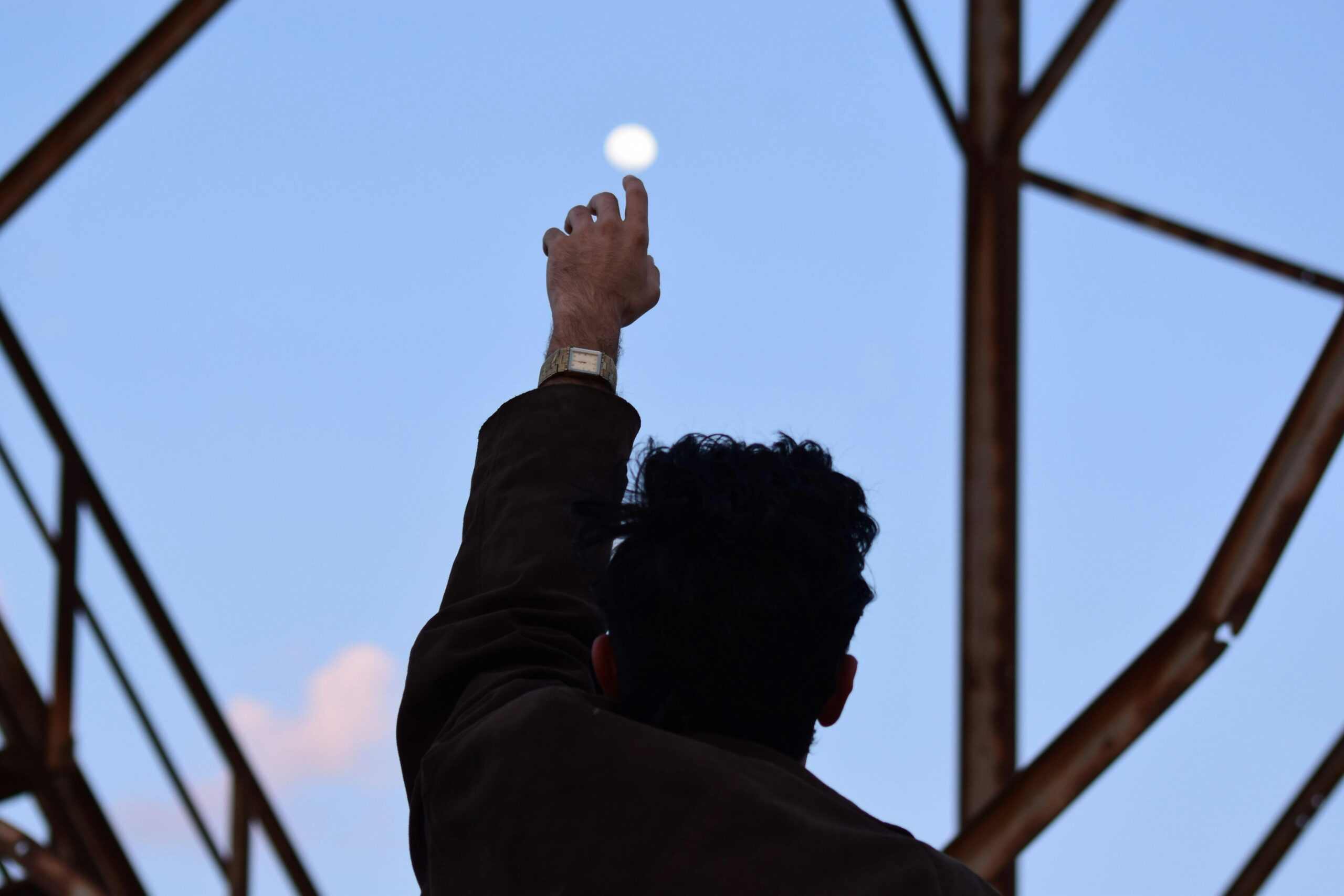
🌈 Synthesis: Dancing with the Cosmos
Harmonizing humanity with the heavens isn’t about returning to pre-modern lifestyles or embracing magical thinking. It’s about recognizing that we remain biological beings embedded in natural systems, subject to cosmic influences whether we acknowledge them or not.
The universe operates through discoverable principles—rhythms, cycles, patterns, mathematical relationships—that manifest across all scales of existence. When human societies align with these principles, they exhibit remarkable sustainability and resilience. When we ignore or contradict cosmic order, dysfunction inevitably follows.
Creating a balanced future requires rebuilding awareness of and respect for natural rhythms at individual, social, and civilizational levels. This transformation begins with simple personal practices that gradually reshape collective consciousness and social structures.
Each person who reestablishes connection with cosmic rhythms contributes to broader cultural shift. As individuals heal their relationship with natural cycles, they naturally inspire others and create demand for social structures that support rather than obstruct cosmic alignment.
The path forward integrates ancient wisdom with modern understanding, traditional practices with contemporary tools, individual transformation with collective evolution. By learning once again to dance with cosmic rhythms rather than fighting against them, humanity can create societies that reflect the harmony, balance, and dynamic equilibrium that characterize the universe itself.
Our ancestors knew what modern science is rediscovering: we are not separate from the cosmos but intrinsic expressions of it. The same forces that organize galaxies organize our cells; the rhythms governing planetary motion govern our hearts. Remembering this truth and living accordingly may be the most revolutionary—and necessary—act of our time.