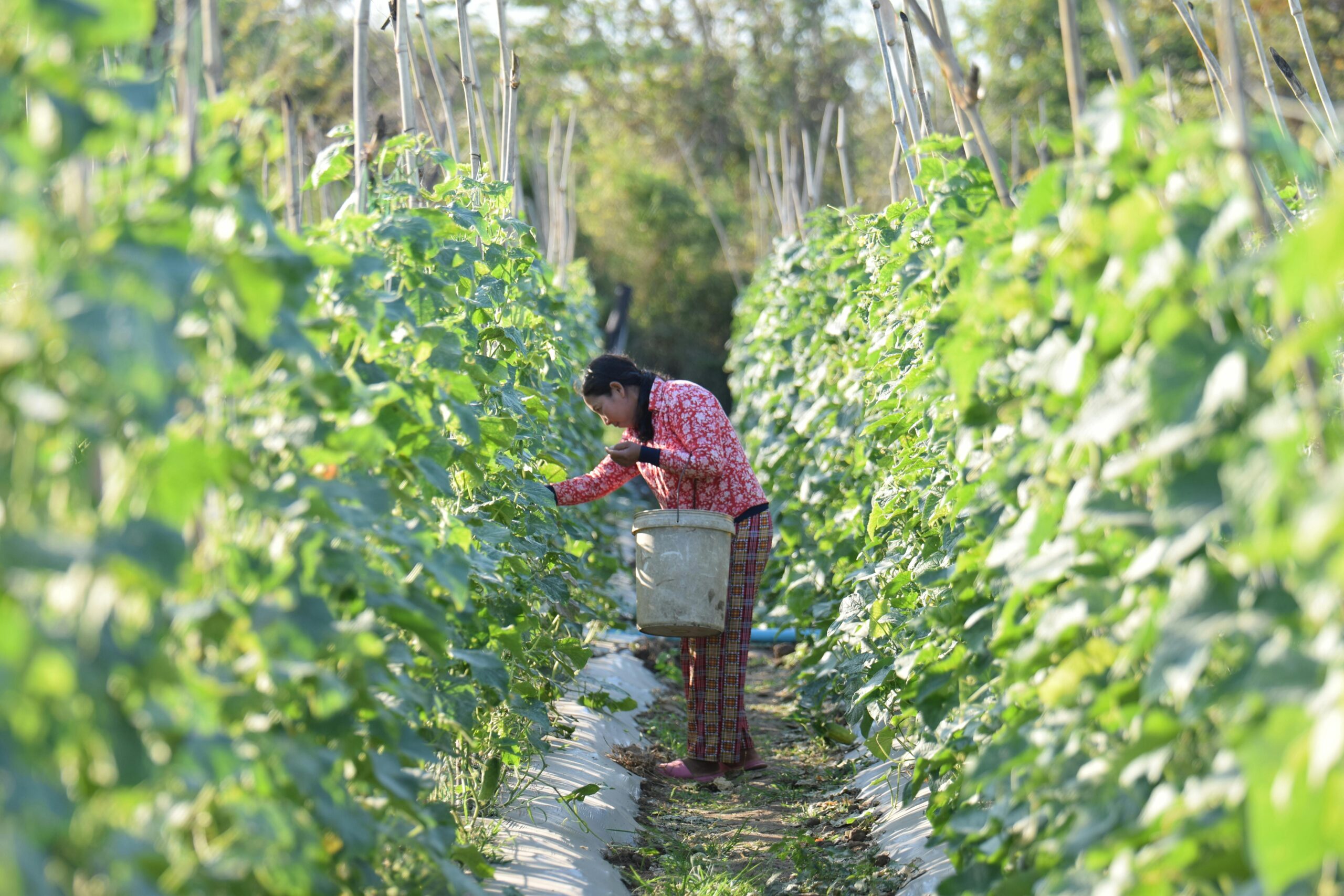
Gratitude and abundance are powerful forces that connect us to one another and to the world around us. When we celebrate these values through offerings, feasts, and communal sharing, we create meaningful experiences that nourish both body and soul.

Throughout human history, gathering together to share food and express thankfulness has been a universal practice that transcends cultures, religions, and geographical boundaries. These moments of collective celebration remind us of our interconnectedness and the importance of acknowledging the blessings in our lives, whether they come from nature, community, or personal achievements.
The Timeless Tradition of Communal Feasting 🍽️
Feasting has always been more than just eating. It represents a sacred act of coming together, a deliberate pause in our daily routines to acknowledge prosperity and express gratitude. From ancient harvest festivals to modern Thanksgiving celebrations, the act of preparing and sharing abundant meals creates bonds that strengthen families and communities.
The preparation of a feast itself becomes an offering of time, energy, and care. When we cook for others, we’re not simply providing sustenance—we’re creating an experience that says “you matter” and “I’m grateful for your presence in my life.” This intentional act of giving transforms ordinary meals into extraordinary celebrations of human connection.
Historical Roots of Celebratory Gatherings
Ancient civilizations understood the profound significance of communal eating. The Greeks held symposiums, the Romans organized elaborate banquets, and indigenous peoples worldwide developed complex rituals around seasonal harvests. These weren’t merely social events; they were spiritual practices that honored the earth’s generosity and the community’s collective efforts.
In medieval times, feast days marked the agricultural calendar and provided relief from the hardships of daily life. These celebrations created a rhythm to existence, offering people regular opportunities to express gratitude, redistribute resources, and reinforce social bonds. The tradition of potluck meals, where everyone contributes a dish, emerged from these communal values and continues to thrive today.
The Spiritual Dimension of Offerings
Offerings represent a tangible expression of gratitude directed toward forces greater than ourselves. Whether presented to deities, ancestors, nature, or simply as an act of generosity toward others, offerings acknowledge that abundance flows through us rather than originating from us alone.
Many spiritual traditions incorporate food offerings into their practices. Hindus present prasad to deities and then share it among devotees. Buddhists place food on altars as acts of merit-making. Indigenous cultures offer first fruits back to the earth. These practices cultivate humility and reinforce the understanding that we are part of a larger ecosystem of giving and receiving.
Creating Personal Offering Rituals
You don’t need to follow a specific religion to incorporate offerings into your life. Simple practices can deepen your sense of gratitude and connection. Setting aside a portion of your meal before eating, donating to food banks regularly, or leaving offerings in nature are all ways to participate in this ancient practice.
The key element is intentionality. When we make an offering, we pause to reflect on our blessings, acknowledge their source, and commit to circulating abundance rather than hoarding it. This mindset shift from scarcity to generosity transforms not only our relationship with resources but also our overall life experience.
The Psychology of Gratitude and Sharing 💚
Modern research confirms what ancient wisdom has always known: gratitude and generosity significantly enhance wellbeing. Studies show that people who regularly practice gratitude experience higher levels of positive emotions, better sleep, stronger immune systems, and more satisfying relationships.
When we share meals and resources with others, our brains release oxytocin, sometimes called the “bonding hormone.” This neurochemical response reinforces social connections and creates feelings of trust and safety. The act of giving activates the reward centers in our brains, making generosity literally feel good.
Breaking the Scarcity Mindset
Many of us operate from an unconscious scarcity mindset, believing there’s never enough—enough time, money, food, or love. This perspective creates anxiety and isolation. Communal sharing practices directly challenge this mindset by demonstrating that abundance grows when shared.
When you bring a dish to a potluck, you might contribute one item, but you leave with access to twenty different foods. This multiplication effect illustrates a fundamental truth: cooperation and sharing create greater abundance than individual accumulation ever could. This principle applies not just to food but to knowledge, skills, emotional support, and resources of all kinds.
Practical Ways to Embrace Communal Abundance
Integrating these values into modern life doesn’t require elaborate ceremonies or significant time investments. Small, consistent practices can profoundly shift your experience and strengthen your connections with others.
Regular Gathering Traditions
Establish recurring gatherings with friends, family, or neighbors. Monthly dinner circles, seasonal celebrations, or weekly coffee meetups create reliable spaces for connection. The regularity matters more than the scale—even simple gatherings foster deep bonds over time.
Consider theme-based gatherings that encourage participation: international food nights where everyone shares a dish from a different culture, harvest celebrations featuring seasonal ingredients, or gratitude circles where sharing food accompanies sharing appreciations.
Community Involvement Initiatives
Participate in or organize community-building activities that center on sharing. Community gardens allow neighbors to grow and share produce together. Food swaps let people exchange homemade goods. Soup kitchens and community meals serve those experiencing food insecurity while creating dignified spaces for connection across economic divides.
Little Free Pantries, modeled after Little Free Libraries, are emerging in neighborhoods worldwide. These weatherproof boxes stocked with non-perishable foods operate on a take-what-you-need, give-what-you-can basis, embodying the spirit of communal abundance and mutual care.
Feast Preparation as Meditation and Art 🎨
The process of preparing food for others can become a spiritual practice when approached with mindfulness and intention. Rather than rushing through cooking as a chore, consider it an opportunity for creative expression and meditative focus.
Selecting ingredients, preparing them with care, combining flavors thoughtfully—these acts become offerings in themselves. When you cook with awareness, infusing your food with positive intentions and gratitude, you create nourishment that feeds more than physical hunger.
Seasonal and Local Abundance
Aligning your feasts with seasonal availability deepens your connection to natural cycles and your local environment. Spring celebrations might feature tender greens and fresh herbs, summer gatherings showcase abundant produce, autumn feasts highlight root vegetables and squashes, while winter meals draw on preserved foods and warming spices.
Shopping at farmers’ markets, joining Community Supported Agriculture programs, or foraging for wild foods (where safe and legal) strengthens your relationship with the land and the people who cultivate it. These practices make gratitude concrete by connecting you directly to the sources of your sustenance.
The Art of Receiving with Grace
While we often focus on giving and offering, receiving gracefully is equally important in the cycle of abundance. Many people struggle with accepting gifts, help, or hospitality, fearing they’ll appear needy or become indebted. This reluctance actually blocks the flow of generosity and denies others the joy of giving.
When someone offers you food, assistance, or kindness, receiving with genuine appreciation honors both the gift and the giver. A simple, heartfelt “thank you” completes the circuit of exchange and encourages continued generosity in your community.
Reciprocity Without Scorekeeping
Healthy communal sharing operates on generalized reciprocity rather than direct exchange. You give when you have abundance; you receive when you need support. The community as a whole maintains balance without individuals tracking exact equivalencies.
This approach requires trust and a long-term perspective. You might bring food to a gathering when you’re doing well financially, and attend empty-handed when times are tight, knowing your presence still contributes value. Over time, these imbalances even out, and the community becomes more resilient than any individual could be alone.
Gratitude Practices Beyond the Table
While shared meals provide powerful opportunities for expressing gratitude, the practice extends into all areas of life. Creating routines that cultivate awareness of abundance shifts your baseline experience from wanting to appreciating.
Daily Gratitude Rituals
Simple daily practices anchor gratitude in your routine. Morning pages where you list three things you’re thankful for, evening reflections on the day’s blessings, or gratitude jar contributions create consistent touchpoints with appreciation.
Sharing gratitude aloud amplifies its effects. Family dinners where everyone mentions a daily highlight, gratitude circles at gatherings, or social media posts acknowledging specific people spread positive emotions and strengthen relationships.
Gratitude in Challenging Times
Practicing gratitude during difficulties doesn’t mean denying genuine struggles. Rather, it means maintaining perspective by acknowledging what remains good even amid hardship. This practice builds resilience and prevents temporary setbacks from overwhelming your entire life experience.
During challenging periods, communal support becomes especially vital. Accepting meals from friends, joining support groups, or participating in mutual aid networks reminds you that you’re not alone and that the community holds you when you cannot hold yourself.
Creating Inclusive and Accessible Gatherings 🌈
For communal sharing to truly embody abundance, gatherings must welcome diverse participants. This requires attention to various needs and barriers that might prevent people from participating fully.
Dietary Considerations and Flexibility
Honor different dietary needs, restrictions, and preferences without making anyone feel burdensome. Provide clear labels for common allergens, offer vegetarian and vegan options, respect religious dietary laws, and avoid pressure around eating specific foods.
When organizing potlucks, communicate openly about dietary needs beforehand. Encourage people to share ingredient lists for their dishes. This inclusivity ensures everyone can participate fully in the feast without anxiety or exclusion.
Accessibility and Economic Inclusion
Ensure physical spaces are accessible to people with mobility differences. Hold gatherings in wheelchair-accessible locations, provide seating options for those who cannot stand long, and consider sensory sensitivities when planning environments.
Economic diversity enriches communities but requires sensitivity. Avoid making assumptions about what people can afford to contribute. Clearly communicate that all contributions are valued, whether someone brings an elaborate dish, store-bought items, or simply their presence and good company.
Teaching Children the Values of Gratitude and Sharing
Passing these values to younger generations ensures their continuation while benefiting children’s development. Research shows that children who practice gratitude demonstrate better emotional regulation, stronger relationships, and greater life satisfaction.
Involve children in feast preparation at age-appropriate levels. Young children can wash vegetables, set tables, or create decorations. Older children can follow recipes, plan menus, or help coordinate gatherings. These experiences teach practical skills while instilling values of contribution and service.
Modeling Generous Behavior
Children learn primarily through observation. When they see adults expressing genuine gratitude, sharing generously, and prioritizing communal wellbeing, they internalize these behaviors as normal and desirable.
Explain your thinking as you practice these values. When you donate food, volunteer time, or invite someone to dinner, share your reasoning with children in age-appropriate language. Help them understand that abundance grows through sharing and that everyone has something valuable to contribute.
The Environmental Dimension of Mindful Feasting 🌍
True abundance consciousness includes awareness of environmental sustainability. Celebrating gratitude for earth’s generosity means consuming mindfully and minimizing waste.
Plan feast quantities carefully to reduce food waste. Store leftovers properly and creatively repurpose them. Compost organic waste to return nutrients to the soil. Choose reusable dishes and decorations over disposables when possible.
Sustainable Sourcing Practices
Source ingredients from sustainable, ethical producers when possible. Support farmers who use regenerative practices that heal the land. Choose seasonal foods that require less resource-intensive transportation and storage.
Plant-forward menus significantly reduce environmental impact while often being more affordable and accommodating diverse dietary needs. This doesn’t require strict vegetarianism—simply centering vegetables, grains, and legumes with smaller portions of animal products honors both abundance and sustainability.
Abundance as a Lived Philosophy
Ultimately, celebrating gratitude and abundance through offerings, feasts, and communal sharing represents a comprehensive approach to life. It’s a deliberate choice to focus on sufficiency rather than scarcity, connection rather than isolation, and generosity rather than hoarding.
This philosophy doesn’t require wealth or perfect circumstances. Some of the most abundant communities exist in materially modest circumstances because people prioritize sharing and mutual support. Abundance is as much about perspective and practice as it is about resources.
When you regularly participate in communal sharing, you rewire your understanding of security. Rather than depending solely on personal accumulation, you recognize that true security comes from being embedded in networks of mutual care. You become simultaneously more generous and more supported.

Moving Forward with Intention and Joy ✨
Beginning or deepening these practices requires only intention and small first steps. You don’t need to host elaborate feasts or make grand gestures. Start where you are with what you have.
Invite a neighbor for coffee. Bring cookies to a community meeting. Organize a simple potluck with friends. Express specific gratitude to someone who’s impacted your life. Volunteer at a community meal. Each small action contributes to a larger culture of abundance and connection.
As you continue these practices, notice how they change your experience. You’ll likely find that focusing on gratitude and sharing naturally generates more to be grateful for—not through magic, but through the beautiful reality that generosity creates community, and community creates resilience, support, creativity, and joy.
The table, whether literal or metaphorical, remains one of humanity’s most powerful symbols of equality and connection. When we gather around it to share food and express gratitude, we participate in something ancient and essential. We remind ourselves and each other that we belong, that there is enough, and that life is richer when celebrated together.
May your tables be full, your heart be grateful, and your community be strong. May you give generously, receive gracefully, and always find reasons to gather and celebrate the abundance that surrounds us when we choose to see and share it.