Food is memory made tangible. Every recipe passed down through generations carries stories, struggles, and celebrations that shape our identity and connect us to those who came before us.

In our fast-paced modern world, where convenience often trumps tradition, the act of preserving culinary heritage has become more than just cooking—it’s an act of cultural resistance, love, and remembrance. Through the simple yet profound practice of preparing ancestral dishes, we create living bridges between past and present, ensuring that the wisdom of our forebears continues to nourish not just our bodies, but our souls.
🍲 The Kitchen as a Sacred Space of Memory
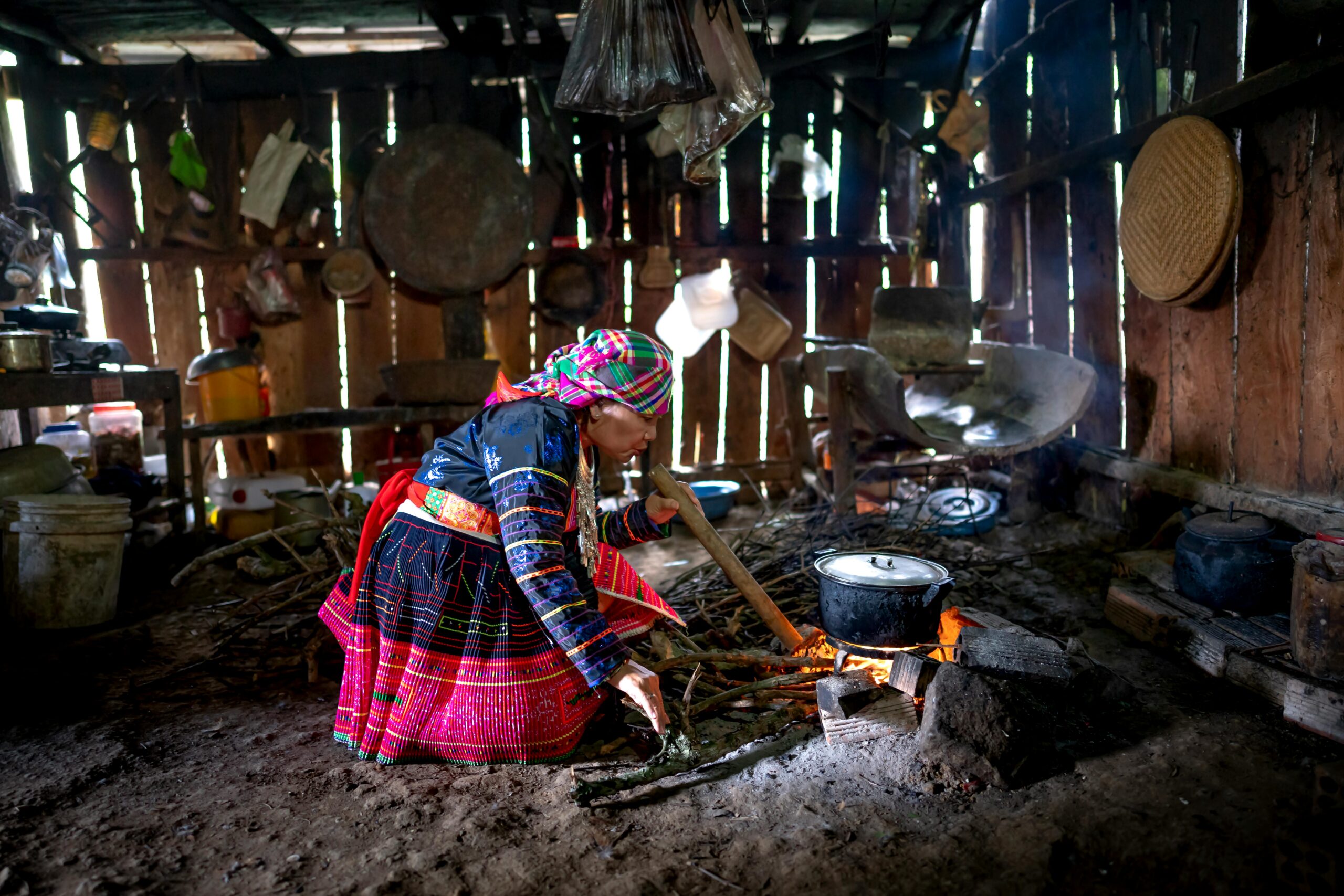
The kitchen has always been more than a room where meals are prepared. In countless cultures worldwide, it represents the heart of the home—a sacred space where stories unfold, wisdom is transferred, and identities are forged. When we cook traditional recipes, we’re not merely following instructions; we’re participating in rituals that have sustained communities for centuries.
Consider the grandmother kneading dough with weathered hands, teaching her grandchild the exact texture that signals readiness. Or the father showing his daughter how to season a dish “by feel” rather than measurement. These moments create intergenerational bonds that transcend verbal communication, operating instead through sensory experience and embodied knowledge.
Traditional cooking techniques often require patience and presence—qualities increasingly rare in our digital age. The slow simmering of a stew, the careful layering of flavors, the waiting for bread to rise—these processes cannot be rushed. They demand our full attention and, in doing so, connect us to the same rhythms our ancestors followed.
Why Culinary Traditions Matter More Than Ever
In an era of globalization and cultural homogenization, preserving culinary traditions serves multiple crucial functions. These recipes represent cultural DNA, carrying information about geography, climate, agricultural practices, and social structures that defined communities throughout history.
Traditional dishes often emerged from necessity and ingenuity. The fermentation techniques that preserved vegetables through harsh winters, the spice combinations that made food safer in hot climates, the whole-animal cooking practices that honored scarcity—these weren’t just cooking methods but survival strategies refined over generations.
Moreover, heritage recipes provide tangible connections to ancestral homelands for diaspora communities. For those separated from their places of origin by migration, displacement, or colonization, the ability to recreate a dish from childhood or from stories becomes an act of reclamation and belonging.
The Nutritional Wisdom of Traditional Diets 🥘
Modern nutritional science is increasingly validating what traditional cultures knew instinctively. Many ancestral diets demonstrate remarkable balance and sophistication. The combination of beans and rice that provides complete proteins, the fermented foods that support digestive health, the seasonal eating patterns that align with natural rhythms—these weren’t accidents but the result of accumulated wisdom.
Traditional food preparation methods often enhanced nutritional value in ways we’re only now beginning to understand scientifically. Soaking grains and legumes to reduce anti-nutrients, fermenting dairy for better digestibility, using bone broths for mineral extraction—these techniques maximized nutrition from available ingredients.
Documenting Family Recipes: Preserving Intangible Heritage
One of the most urgent tasks facing contemporary families is the documentation of recipes before they’re lost. Too often, the assumption that “someone else knows it” or “I’ll write it down later” results in culinary knowledge disappearing when the last keeper of that wisdom passes away.
Effective recipe documentation goes beyond mere ingredient lists. The most valuable culinary records capture context, technique, and story. When was this dish traditionally served? What memories does it evoke? What variations existed within different branches of the family? These details transform a recipe from instructions into narrative.
Practical Strategies for Recipe Preservation 📝
Creating comprehensive family recipe collections requires intentionality and method. Start by interviewing older family members while they cook, recording not just measurements but techniques, tips, and the stories surrounding each dish. Video recordings prove especially valuable for capturing hand movements and visual cues that written descriptions struggle to convey.
Consider organizing recipes not alphabetically but thematically or seasonally, reflecting how they functioned within family life. Holiday dishes, everyday meals, celebration foods, and remedies for illness—these categories preserve the social and cultural contexts that gave dishes meaning.
Digital tools make preservation easier than ever, but don’t underestimate the value of handwritten recipe books. Many families create beautiful heirloom cookbooks as gifts for younger generations, combining recipes with photographs, stories, and family history.
Teaching Culinary Traditions to Younger Generations
Transmission of culinary heritage faces unique challenges in the contemporary world. Busy schedules, readily available prepared foods, and declining cooking skills create barriers to intergenerational knowledge transfer. Yet innovative approaches can make traditional cooking relevant and appealing to young people.
Making children active participants rather than passive observers transforms cooking from chore to adventure. Assign age-appropriate tasks, explain the history behind techniques, and share family stories associated with dishes. When children understand that they’re part of a larger story, they develop investment in its continuation.
Creating Meaningful Kitchen Experiences 👨🍳
Transform cooking sessions into intentional teaching moments. Explain why certain ingredients are combined, demonstrate traditional techniques, and allow for questions and experimentation. The goal isn’t perfection but engagement and understanding.
Consider establishing regular family cooking rituals—perhaps a monthly tradition where different family members take turns selecting and preparing ancestral recipes. These gatherings create opportunities for storytelling, skill-building, and connection across generations.
Encourage young people to add their own chapters to family culinary history. How might traditional recipes be adapted for contemporary contexts while preserving their essence? This creative engagement ensures traditions evolve rather than ossify.
The Role of Food in Cultural Identity and Belonging
Food serves as a powerful marker of cultural identity, often outlasting language and other cultural practices among immigrant communities. The ability to prepare traditional dishes provides a sense of continuity and connection to cultural roots that persists across generations and geographical distances.
For many people, particular flavors and aromas trigger profound emotional responses, transporting them instantly to childhood kitchens or ancestral homelands they may never have visited. This sensory memory operates at a deep, almost primal level, creating bonds that intellectual knowledge alone cannot forge.
Community celebrations centered around traditional foods strengthen collective identity. Whether it’s a family reunion featuring beloved recipes or a cultural festival showcasing heritage dishes, these gatherings affirm shared history and values while creating new memories for future generations.
Navigating Adaptation While Honoring Tradition
A common tension in preserving culinary heritage involves balancing authenticity with adaptation. As ingredients, tools, and contexts change, how much modification can a dish undergo before it loses its essential character? This question has no universal answer but requires thoughtful consideration.
Some modifications prove necessary and beneficial. Substituting healthier ingredients, accommodating dietary restrictions, or adapting cooking methods to available equipment can make traditional recipes more accessible without compromising their spirit. The key lies in understanding which elements are essential and which are flexible.
Respecting the Core While Embracing Evolution 🌱
Traditional recipes themselves represent snapshots of ongoing evolution. What we consider “authentic” dishes often emerged from earlier adaptations, incorporating new ingredients or techniques as they became available. Recognizing this historical dynamism allows us to honor tradition while permitting contemporary evolution.
Document adaptations transparently, noting why changes were made and how they affect the final dish. This honesty preserves knowledge for future generations who may choose to return to earlier versions or create their own variations.
Engage in dialogue with elder family members about proposed modifications. Their insights can identify which elements carry deep significance and which allow flexibility, preventing unintentional erasure of meaningful traditions.
Building Community Through Shared Culinary Heritage
Beyond family units, culinary traditions create broader community connections. Neighborhood cooking groups, cultural organizations, and online communities dedicated to preserving specific cuisines provide valuable support networks for those committed to maintaining heritage recipes.
These communities serve multiple functions: sharing rare recipes, troubleshooting preparation challenges, sourcing hard-to-find ingredients, and creating spaces where cultural knowledge is valued and celebrated. They combat the isolation that can accompany minority culinary practices in culturally diverse societies.
Participating in community cooking events, potlucks, or cultural festivals allows people to share their heritage with others while learning about different traditions. This cross-cultural exchange enriches everyone involved, building appreciation for culinary diversity.
The Therapeutic Power of Ancestral Cooking 💚
Beyond cultural preservation, preparing traditional recipes offers significant emotional and psychological benefits. The familiar rhythms of well-known preparations can provide comfort during difficult times, connecting us to loved ones past and present.
For those grieving the loss of family members, cooking their signature dishes creates a sense of connection and continuation. The act becomes a form of remembrance and honor, keeping the departed present through sensory experience.
Engaging in traditional cooking practices can also combat anxiety and depression. The mindful, hands-on nature of food preparation, combined with the satisfaction of creating something tangible and nourishing, provides grounding and purpose.
Practical Tips for Starting Your Culinary Heritage Journey
Beginning to actively preserve and practice culinary traditions need not be overwhelming. Start small with one or two meaningful recipes, focusing on dishes that hold personal significance or are at risk of being forgotten.
Schedule dedicated time for learning and practicing these recipes. Treat cooking sessions as important appointments rather than activities to squeeze in when convenient. This intentionality signals value and increases the likelihood of follow-through.
Create a designated space—physical or digital—for collecting recipes, stories, and photographs related to your culinary heritage. Organization from the beginning prevents the overwhelming task of sorting through scattered materials later.
Resources and Tools for Heritage Preservation 📚
Numerous resources support culinary heritage preservation. Recipe management apps allow digital organization with photo capabilities, while video recording tools capture visual and verbal instructions. Consider creating a family cookbook using online publishing platforms that produce professional-quality results.
Seek out cultural organizations, historical societies, or university programs focused on food heritage. Many offer workshops, archives, and connections to others engaged in similar preservation efforts.
Don’t hesitate to consult professional resources when needed. Food historians, cultural anthropologists, and culinary professionals can provide valuable insights into historical contexts and preparation techniques.
Celebrating the Sacred in the Everyday
Ultimately, preserving culinary traditions transforms everyday acts of nourishment into sacred rituals of remembrance and connection. Each time we prepare an ancestral recipe, we participate in an unbroken chain stretching backward to those who came before and forward to those who will follow.
This practice requires no special credentials or resources—only willingness to slow down, pay attention, and honor the wisdom embedded in simple acts of cooking. In our hands, flour and water become more than bread; they become vessels carrying memory, identity, and love across the generations.
The kitchen becomes a temple where we honor our ancestors not through distant reverence but through active participation in the traditions they created and maintained. In preparing their recipes, we declare that their lives mattered, their knowledge has value, and their legacy continues through us.
As we face an uncertain future marked by rapid change and cultural disruption, these culinary traditions offer anchors of continuity and meaning. They remind us who we are, where we come from, and what we value. They provide nourishment far richer than mere calories—they feed our souls, strengthen our identities, and bind us to human communities across time and space. In savoring our heritage, we become its active keepers, ensuring that the flavors of the past continue to season the future. ✨