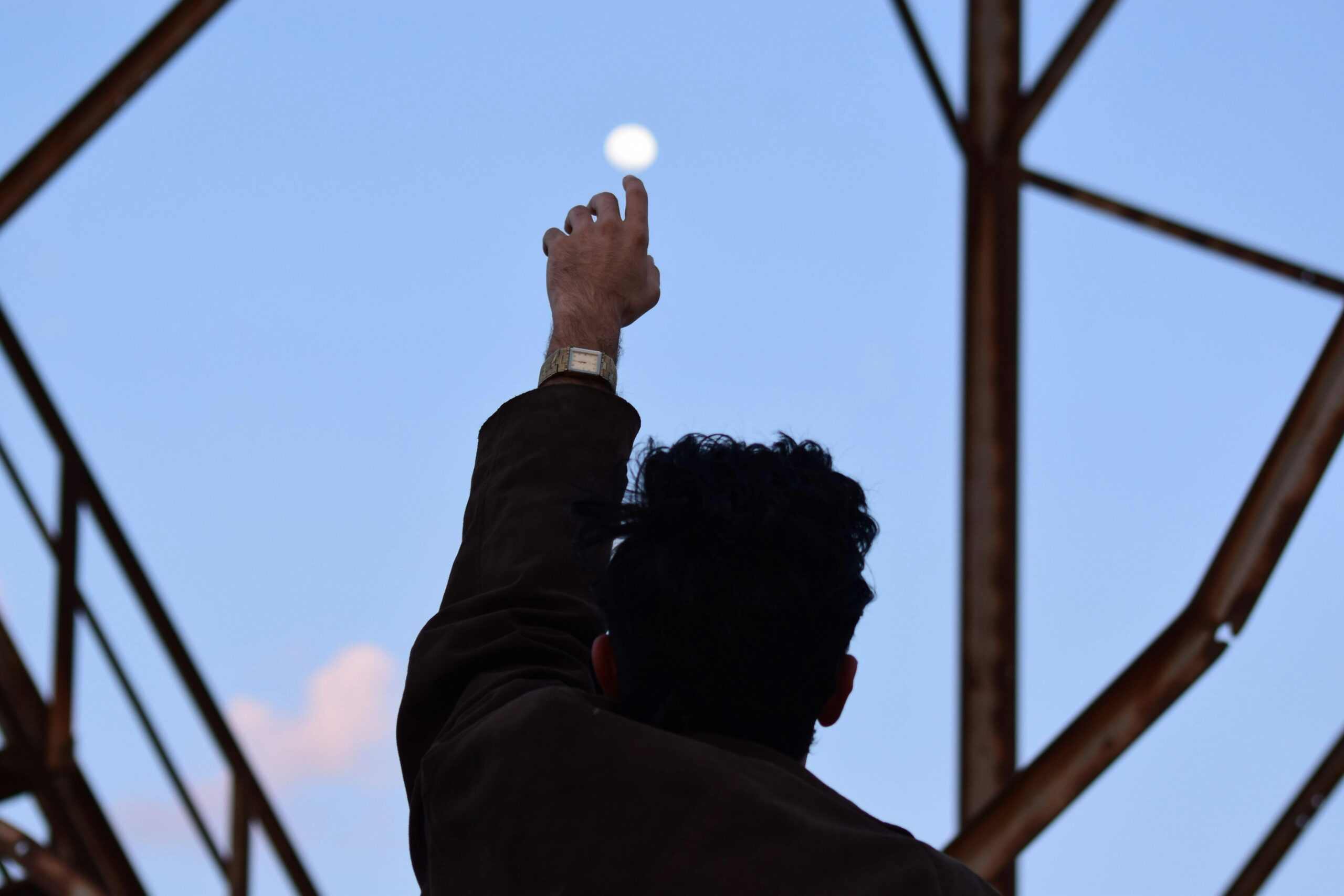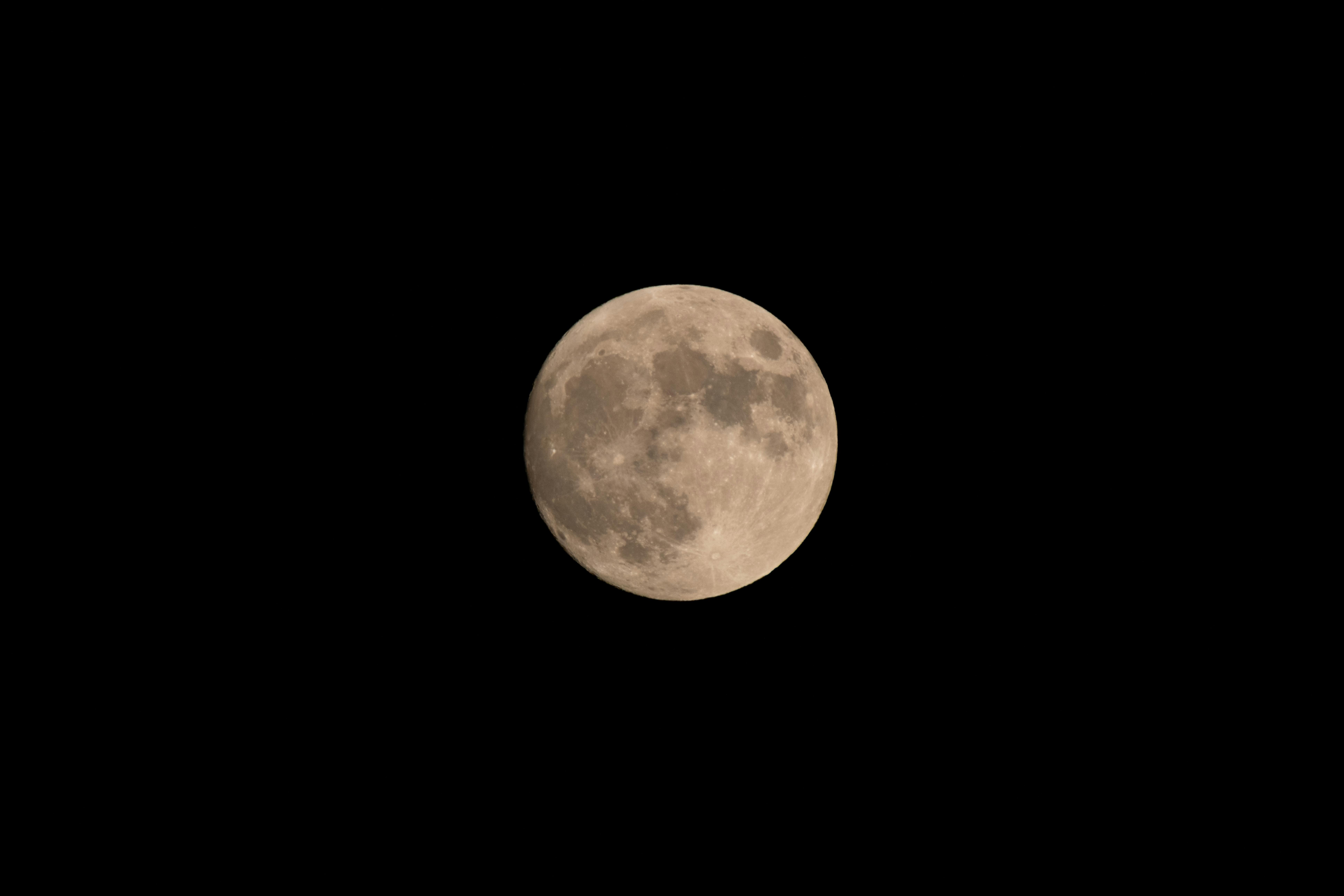
For millennia, humanity has gazed upward at the heavens, seeking meaning in the movements of celestial bodies. Ancient civilizations transformed this cosmic curiosity into monumental stone structures that continue to mystify modern observers.

From the windswept plains of Salisbury to the Andean highlands, sacred stones stand as testament to our ancestors’ profound understanding of astronomy, geometry, and the sacred relationship between Earth and sky. These ancient monuments weren’t merely religious sites or burial grounds—they were sophisticated astronomical observatories, calendars carved in stone, and temples aligned with mathematical precision to capture the sun’s journey across the heavens.
🌅 The Dawn of Celestial Architecture
The relationship between ancient monuments and solar alignments represents one of archaeology’s most captivating mysteries. Long before modern telescopes and satellite technology, prehistoric societies demonstrated remarkable astronomical knowledge, encoding celestial patterns into their most enduring creations.
These stone structures served multiple purposes simultaneously. They functioned as communal gathering spaces, ceremonial centers, and practical tools for tracking seasonal changes crucial to agricultural societies. The precision with which ancient builders oriented their monuments toward specific solar and lunar events reveals a sophisticated understanding of cyclical time and cosmic order.
Why Stone? The Choice of Material Matters
Stone wasn’t chosen randomly. Its permanence ensured that astronomical knowledge could be transmitted across generations without decay. Unlike wooden structures or earthworks that erode quickly, megalithic monuments could maintain their alignments for millennia, serving as eternal markers of celestial events.
The physical act of moving massive stones—some weighing dozens of tons—also held ceremonial significance. This collective effort bonded communities and imbued the structures with sacred meaning that transcended their practical astronomical functions.
⭐ Stonehenge: The Crown Jewel of Solar Alignment
No discussion of ancient astronomical monuments would be complete without examining Stonehenge, perhaps the world’s most famous prehistoric structure. Located on Salisbury Plain in Wiltshire, England, this iconic stone circle continues to draw researchers and visitors seeking to understand its celestial secrets.
Built in several phases between approximately 3000 and 2000 BCE, Stonehenge’s most remarkable feature is its alignment with the solstices. During the summer solstice, the sun rises directly over the Heel Stone when viewed from the center of the monument, creating a spectacular visual effect that still attracts thousands of modern observers each year.
The Geometry Behind the Mystery
Stonehenge’s design incorporates sophisticated geometric principles. The sarsen circle, with its massive upright stones capped by horizontal lintels, forms a near-perfect circle approximately 33 meters in diameter. Within this outer ring, a smaller horseshoe arrangement of trilithons creates sight lines that frame specific solar and lunar positions.
Recent research using advanced surveying techniques has revealed that Stonehenge’s builders possessed detailed knowledge of astronomical cycles, including the 18.6-year lunar standstill cycle. This suggests the monument served as a long-term calendar for predicting eclipses and other celestial phenomena.
🌍 Global Patterns: Sacred Stones Across Continents
While Stonehenge captures popular imagination, similar monuments exist worldwide, suggesting that astronomical alignment was a universal preoccupation among ancient cultures. These structures demonstrate that celestial observation wasn’t an isolated phenomenon but a fundamental aspect of early human civilization.
Newgrange: Ireland’s Ancient Solar Temple
Older than Stonehenge and the Egyptian pyramids, Newgrange in Ireland’s Boyne Valley dates to approximately 3200 BCE. This passage tomb features a precisely engineered roof box that permits sunlight to penetrate the inner chamber only during the winter solstice sunrise.
For approximately 17 minutes each year, a beam of golden light travels down the 19-meter passage, illuminating the central chamber in a breathtaking display of ancient engineering. This alignment has remained accurate for over 5,000 years, demonstrating extraordinary construction precision.
The Pyramids of Giza: Stellar Symmetry in Stone
Egypt’s Great Pyramid exhibits multiple astronomical alignments. Its four sides face the cardinal directions with remarkable accuracy—deviating by only 3/60th of a degree. The pyramid’s internal shafts align with specific stars, including Sirius and the constellation Orion, which held profound religious significance in ancient Egyptian cosmology.
The entire Giza plateau may represent a terrestrial mirror of celestial patterns, with the three main pyramids corresponding to the stars in Orion’s belt—though this “Orion Correlation Theory” remains debated among scholars.
Machu Picchu: Inca Astronomical Mastery
High in the Peruvian Andes, the Intihuatana stone at Machu Picchu served as a solar clock or calendar for the Inca civilization. This carved granite pillar, whose name means “hitching post of the sun,” casts shadows that mark the dates of equinoxes and other astronomical events crucial to Inca agricultural and ceremonial life.
The Inca demonstrated such reverence for solar alignments that they oriented entire cities according to celestial patterns, integrating astronomy into their urban planning at a scale rarely matched by other ancient cultures.
🔍 Decoding the Alignments: Methods and Meaning
Modern researchers employ various techniques to understand ancient astronomical alignments, combining traditional archaeology with advanced technology. These interdisciplinary approaches have revolutionized our understanding of prehistoric scientific knowledge.
Archaeoastronomy: A Modern Science for Ancient Mysteries
Archaeoastronomy, the study of how ancient peoples understood celestial phenomena, has emerged as a rigorous scientific discipline. Researchers use computer models to recreate ancient skies, accounting for the precession of Earth’s axis and other astronomical changes that have occurred over millennia.
By calculating the positions of the sun, moon, planets, and stars at specific historical moments, archaeoastronomers can verify whether proposed alignments are genuine or coincidental. Statistical analysis helps determine if the number of celestial alignments at a site exceeds what random chance would produce.
Surveying Technology Reveals Hidden Patterns
Modern surveying equipment, including laser theodolites and GPS systems, allows researchers to measure ancient monuments with unprecedented precision. LiDAR (Light Detection and Ranging) technology can reveal landscape features invisible to the naked eye, sometimes uncovering previously unknown alignments.
These technologies have confirmed that many ancient builders worked with accuracy levels previously thought impossible without modern instruments. Some alignments deviate from true astronomical positions by less than a degree—remarkable for cultures without telescopes or mechanical tools.
📅 The Practical Purpose: Agriculture and Ceremony
While the astronomical precision of ancient monuments impresses modern observers, we must remember that these alignments served practical purposes for the societies that built them. Understanding when to plant and harvest crops could mean the difference between prosperity and starvation.
Solar Calendars in Stone
For agricultural societies, tracking the solar year was essential. The solstices mark the sun’s extreme positions on the horizon, while equinoxes indicate the midpoints between these extremes. By monitoring these events through stone monuments, ancient farmers could time their agricultural activities with precision.
Many cultures recognized that the solar year contains approximately 365 days, and some monuments incorporate this knowledge into their architecture. The Pyramid of Kukulcán at Chichén Itzá features 91 steps on each of its four sides, totaling 364, plus the temple platform for 365—matching the solar year.
Religious Significance: When Heaven Touches Earth
Beyond practical applications, solar alignments held profound religious meaning. The moments when sunlight penetrated inner chambers or aligned with specific stones were understood as times when the boundary between earthly and divine realms became permeable.
These events often coincided with major festivals and ceremonies. The winter solstice, marking the sun’s “rebirth” as days begin lengthening, was particularly significant across many cultures. Sacred stones aligned with this event became focal points for rituals celebrating renewal and the triumph of light over darkness.
🧮 Mathematical Sophistication: Geometry Meets Astronomy
The construction of astronomically aligned monuments required sophisticated mathematical knowledge. Ancient builders needed to understand geometry, trigonometry, and observational astronomy—often centuries before these disciplines were formalized by classical civilizations.
The Problem of Precision
Creating accurate solar alignments presents technical challenges. The sun’s position at sunrise varies throughout the year, and pinpointing exact solstice or equinox positions requires patient observation over multiple years. Ancient astronomers needed to distinguish between the actual solstice and nearby days when the sun’s position changes minimally.
Some researchers believe ancient peoples used “shadow sticks” or gnomons to track the sun’s movements. By recording shadow lengths and directions throughout the year, they could identify the precise days when the sun reached its extreme positions.
Encoding Numbers in Stone
Several ancient monuments incorporate significant numbers into their dimensions. These numerical relationships suggest deliberate design rather than coincidence. For example:
- The circumference of Stonehenge’s sarsen circle approximates 100 megalithic yards, a measurement unit identified by archaeologist Alexander Thom
- The Great Pyramid’s height relates to its base perimeter in the same ratio as a circle’s radius to its circumference (2π)
- Many stone circles incorporate numbers related to astronomical cycles, such as the 19-year Metonic cycle
- Certain monuments align with multiple celestial events, suggesting builders understood complex astronomical relationships
🌙 Beyond the Sun: Lunar and Stellar Alignments
While solar alignments receive the most attention, many ancient monuments also track the moon and stars. Lunar astronomy proved especially challenging due to the moon’s complex motions, which follow an 18.6-year cycle before repeating.
The Lunar Dance
The moon’s rising and setting positions vary more dramatically than the sun’s, creating opportunities for more alignments but also greater complexity. Some researchers believe Stonehenge’s “Station Stones” mark lunar standstill positions—the extreme points of the moon’s 18.6-year cycle.
Understanding this cycle required multi-generational observations, suggesting ancient societies maintained astronomical knowledge across centuries through oral traditions or symbolic records that haven’t survived to the present.
Stellar Connections
Certain monuments align with bright stars or constellations. Ancient Egyptians oriented pyramids toward circumpolar stars that never set below the horizon, symbolizing eternal life. Pre-Columbian Americans built structures aligned with the Pleiades cluster, which figured prominently in their calendars and mythology.
However, stellar alignments prove more difficult to verify than solar ones because the Earth’s precession gradually shifts the apparent positions of stars over millennia. What aligned perfectly 4,000 years ago may now point toward empty sky.
🔨 Engineering Marvels: How They Built Them
The construction of megalithic monuments represents an engineering achievement that still impresses modern observers. Moving multi-ton stones without wheeled vehicles, metal tools, or draft animals required ingenious solutions and remarkable organizational capacity.
Moving Mountains of Stone
Experimental archaeology has demonstrated various methods ancient builders might have employed. These include:
- Wooden rollers and sledges to transport stones across level ground
- Ramps of earth and timber to raise stones into position
- Levers and fulcrums to adjust placement with precision
- Water-lubricated channels to reduce friction during transport
- Counterweight systems for lifting operations
Recent discoveries suggest that Stonehenge’s smaller bluestones traveled nearly 250 kilometers from the Preseli Hills in Wales, possibly transported by water for much of the journey. This enormous effort underscores the monuments’ importance to their builders.
🎯 Modern Relevance: What Ancient Wisdom Teaches Us
The study of ancient astronomical monuments offers more than historical curiosity. These structures remind us of humanity’s enduring quest to understand our place in the cosmos and demonstrate that scientific thinking predates written history by thousands of years.
Preserving Cultural Heritage
Many ancient sites face threats from climate change, tourism, and development. Recognizing their astronomical significance strengthens arguments for preservation. These monuments represent irreplaceable records of human intellectual achievement and cultural diversity.
Reconnecting with Natural Cycles
In our electrically lit, digitally connected world, direct observation of celestial phenomena has become rare for most people. Ancient monuments invite us to step outside, watch sunrises and moonrises, and reconnect with the natural cycles that governed human life for most of our history.
This reconnection offers psychological and cultural benefits. Many people report profound experiences when witnessing solstice sunrises at ancient sites, feeling temporary kinship with the ancestors who built these enduring monuments.
🌟 The Ongoing Quest for Understanding
Despite centuries of study, ancient monuments continue revealing new secrets. Each generation of researchers brings fresh perspectives and improved technologies, deepening our appreciation for prehistoric astronomical knowledge.
Recent discoveries include previously unrecognized alignments, hidden chambers within known structures, and networks of monuments that may have functioned as regional astronomical systems. The field remains vibrant, with significant findings announced regularly.
Citizen Science and Public Engagement
Modern technology allows non-specialists to participate in archaeoastronomical research. Smartphone apps can calculate historical sky positions, enabling anyone to verify ancient alignments. Virtual reality experiences transport users back thousands of years to witness monuments as their builders did.
This democratization of knowledge honors the legacy of ancient astronomers, who shared their observations through stone monuments accessible to all members of their communities.

💫 Celestial Symmetry: The Universal Language
Perhaps the most profound lesson from studying sacred stones and celestial alignments is recognizing that astronomy served as a universal language transcending cultural boundaries. From Britain to Peru, from Egypt to Cambodia, ancient peoples looked skyward and found similar patterns, marking them in stone for future generations.
This shared human impulse to understand and commemorate celestial movements suggests something fundamental about our species. We are creatures who seek patterns, meaning, and connection with the larger cosmos. The monuments our ancestors left behind are not just archaeological curiosities but expressions of this timeless human yearning.
As we continue exploring these ancient mysteries, we discover that the line between past and present, between primitive and sophisticated, is far less clear than once assumed. The sacred stones stand as eternal reminders that wisdom takes many forms, and that human ingenuity flourishes in every age when turned toward understanding the magnificent cosmic dance unfolding above us.
The journey to fully understand these monuments continues, with each discovery raising new questions even as it answers old ones. Perhaps this ongoing mystery is itself part of the gift these ancient builders left us—an invitation to keep looking upward, keep questioning, and keep seeking the symmetry between heaven and earth that they so masterfully encoded in stone.